

New York Is Putting Its Most Vulnerable Students At Risk
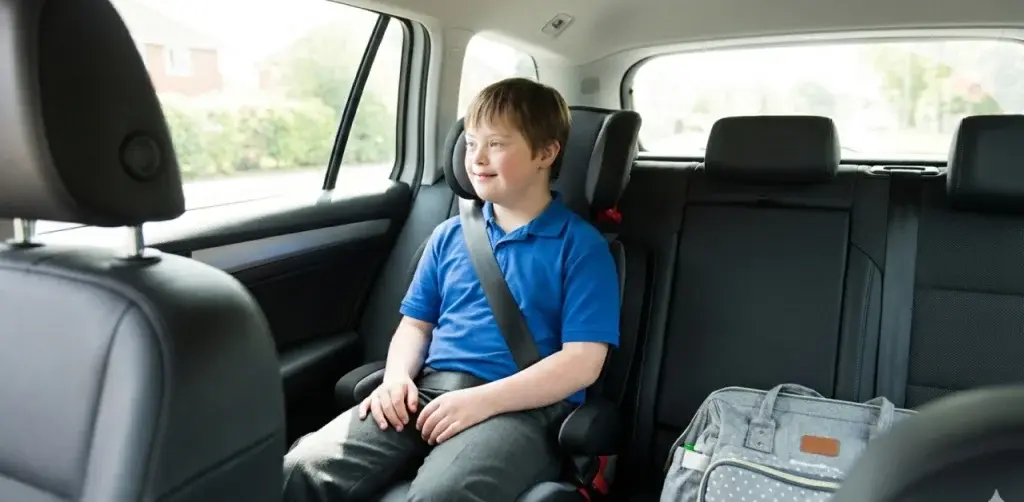
New York State is experiencing a well-documented and ongoing school bus driver shortage. The populations hit hardest are also the most vulnerable: students with disabilities, students in foster care, and students experiencing homelessness — for whom a missed ride is not an inconvenience but a barrier to their education and stability.
Forty-one other U.S. states already permit transporting these students through vetted, right-sized vehicles and appropriately screened drivers. New York, by contrast, still lacks a statutory definition for school transportation logistics vehicles and the contracted community drivers who operate them. The proposed legislation - S.9289/A.10401 - closes that gap.
Under the federal McKinney-Vento Act, districts are required to provide transportation for students experiencing housing instability — students who may need to be picked up from a different address mid-year, mid-month, or even mid-week. Students with IEP-mandated out-of-district placements may travel 30, 50, or 80 miles each way. These are not scenarios where you can simply add one more seat on an existing bus.
The Solution Is Proven. New York Needs to Act.
Yellow school buses will always have an important role in transporting kids to school. But there are additional, safe, affordable options for our most vulnerable students — and S.9289/A.10401 creates the clear legal framework New York needs to use them. Vetted alternative transportation providers — operating under contract with school districts, with full background checks, continuous driver monitoring, GPS tracking, and daily vehicle inspections — already serve students safely in the majority of U.S. states. This proposed legislation brings New York into that framework without reducing a single safety requirement.
See What We’re Fighting ForOur Coalition